Ever think about how you think? Don has. And the result is an eclectic, humble, unflinching exploration about faith and the life of the mind. Postmodern apologetics, anyone?
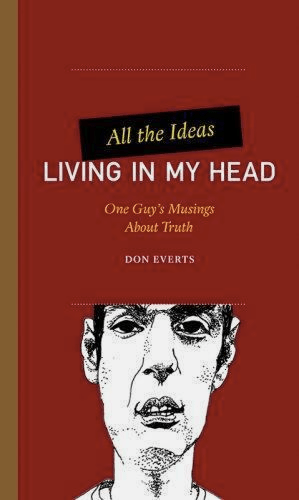
A bunch of ideas are running around in Don Everts’s head. Some are permanent residents. Others are visitors, just passing through. When they all get together, some odd things start happening. It’s one thing when the idea Girls Are Kind Of Icky gets challenged by Girls Can Be Pretty Darned Interesting. But it gets more complicated when The Old Man Clutching The Big Black Bible meets Higher Criticism. Or when You Are Not Loveable tries to drown out the voice of God Loves You. In this tour of Don’s head, you get a glimpse of how we make sense of ideas and how we decide which ones should live with us.
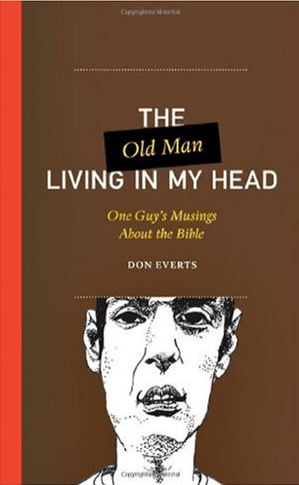
In this visit to Don’s head, you’ll meet The Old Man. This short, wrinkled fellow has been living here for a long time, and he has a story to tell about the big, black Bible clutched in his skinny arms. But some other ideas, like Youthful Cynicism, Source Criticism and Power Always Corrupts have some serious questions about whether The Old Man should stay or go. Why should anyone bother with The Old Man’s story in these enlightened times?
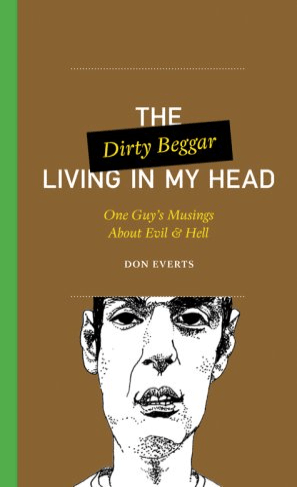
The Dirty Beggar is hunched over, with bloodshot eyes and dressed in a dark, baggy robe. He’s usually silent, sulking in a corner, but sometimes, late at night, he whispers in a hoarse, raspy voice. And nobody wants to hear the stories he tells, stories of evil and wrath and judgment. The Dirty Beggar is one of the most unpleasant, uncomfortable folks ever to visit your head. But he sticks around and haunts you. Find out why.

Meet The Fingerless Lady. She’s rather attractive, very popular and always smiling, giving everybody the thumbs-up. She loves to tell her inspiring story of hiking around a mountain, a beautiful mountain that might have different sides but is still all the same mountain. The Fingerless Lady has many friends, of course, like Conflict Is Always Bad and All Religions Are the Same. But other ideas like Existentialism and Tragedy have some sharp questions for her. Can her philosophy withstand the scrutiny? She’s quite popular, after all. Here’s a book for all who wonder whether it’s true that whatever’s true for you is true.
 doneverts.com